Gross Motor vs Fine Motor Skills What They Are and Why Both Matter

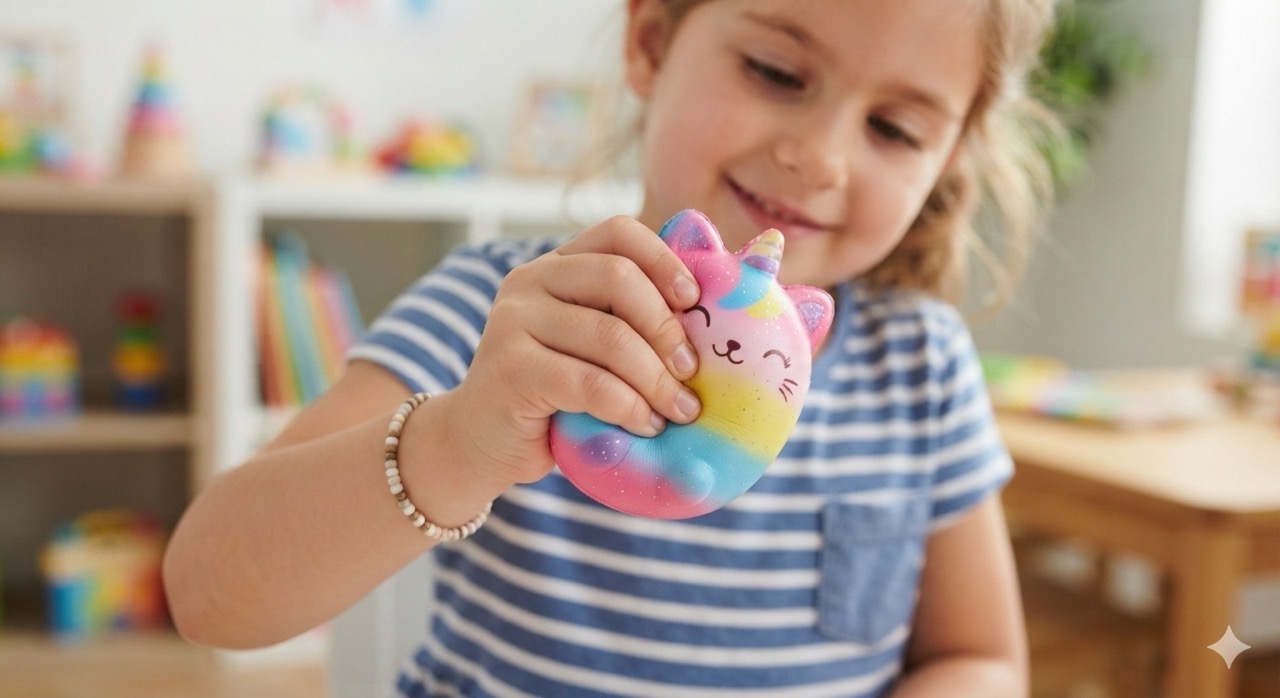
Ever watched a toddler discover a squishy stress ball, a mud puddle and completely lose their mind with joy? That's not just messy fun. That's your child's brain doing some genuinely impressive work.
It's Called "Proprioceptive Input" Every time little hands squeeze, press, poke, or squash something, they're sending signals through their muscles and joints straight to the brain. This is called proprioceptive input, and it helps children understand where their body is in space, how much force to use, and how to control their movements. In plain terms: squishing things literally helps kids learn how to be in their own bodies.
That's why a two-year-old will happily squeeze the same stress ball forty times in a row. It's not boredom-proof stubbornness, it's practice.
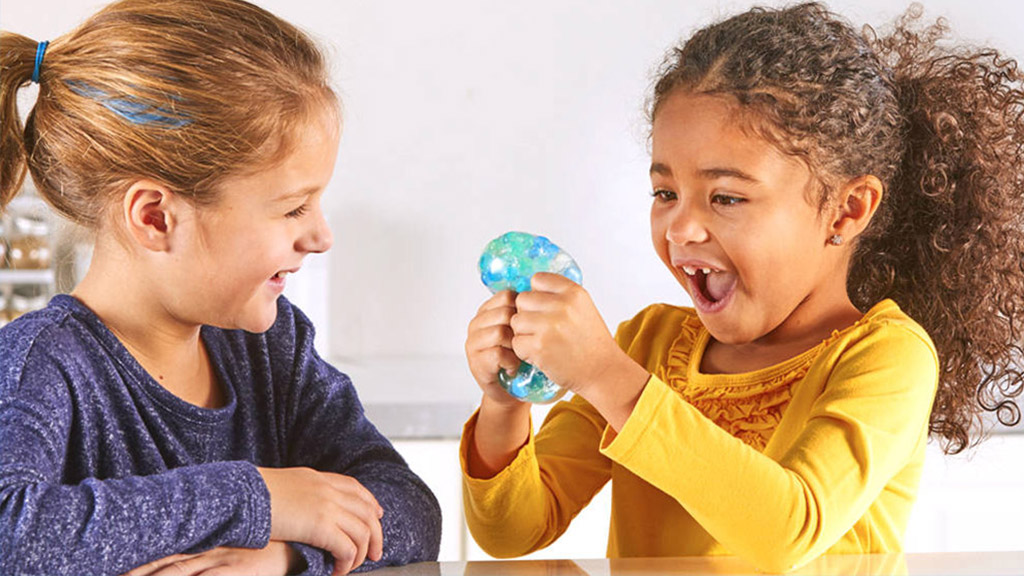
Fun Fact: Squishing Can Actually Calm Kids Down
Deep pressure and repetitive squeezing activate the parasympathetic nervous system the "rest and digest" mode. This is the same reason weighted blankets and stress balls work for grown-ups too. So when your child is melting down and reaches for the play dough or starts squishing a pillow, they might be self-regulating without even knowing it.
Fun Fact: Texture = Vocabulary
Every squish, squelch, and squash gives kids a new sensory language. Gooey, slimy, bumpy, crunchy these words stick better when a child has felt them, not just heard them. Sensory play is quietly building descriptive vocabulary long before formal language lessons ever could.
Easy Ways to Feed the Squish Obsession
- Playdough or homemade slime classic for a reason
- Wet sand or mud nature's original sensory bin
- A bowl of cooked, cooled pasta weird, but wildly popular with toddlers
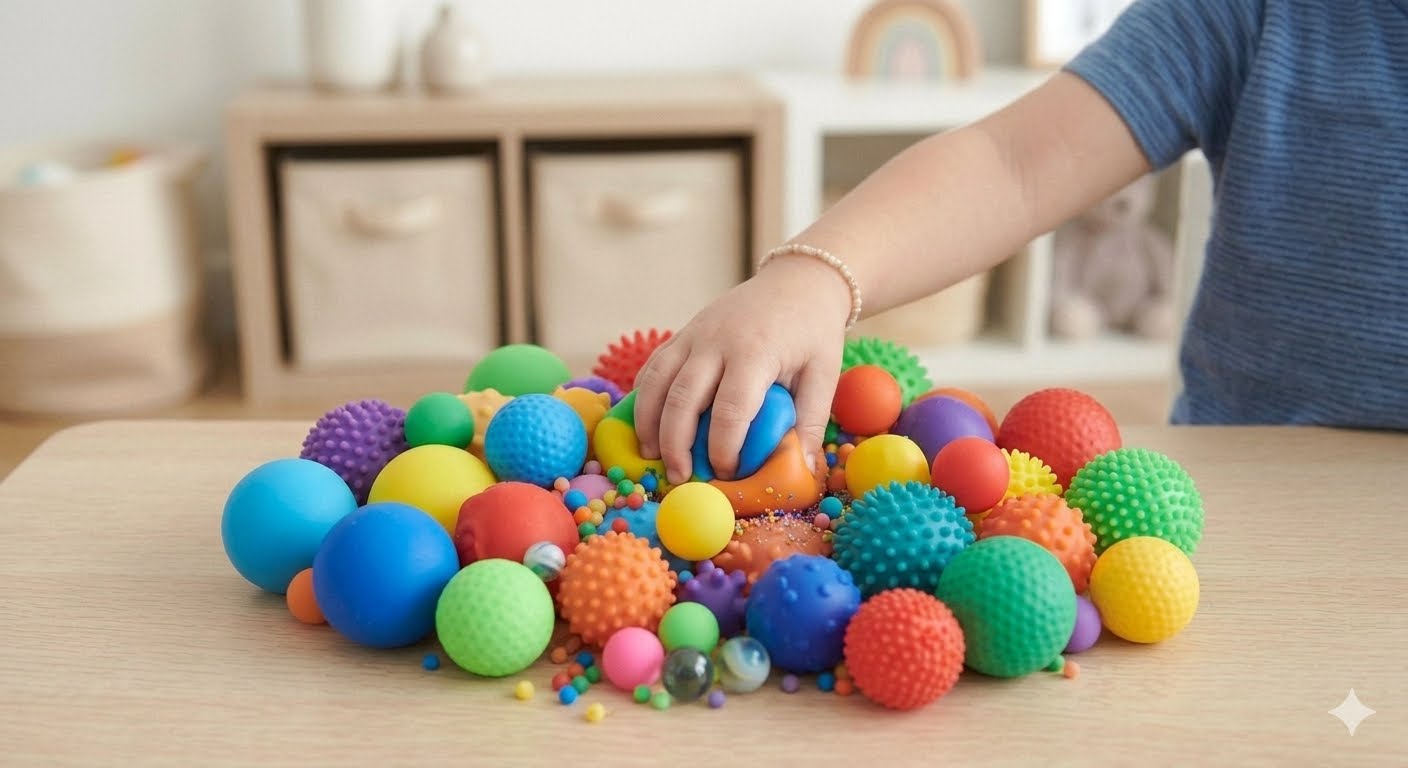
- Squishy stress balls or water balloons great for car rides or waiting rooms
- Bread dough bonus, you get to bake afterward
The Parenting Takeaway
Next time your child is elbow-deep in something squishy and slightly questionable, resist the urge to redirect too quickly. That squeeze-and-squish moment is doing real developmental work like building body awareness, emotional regulation, and language, all at once.
So go ahead, let them squish. Your carpet might not thank you, but their developing brain absolutely will.
Stay Connected with Bubu Island
Subscribe to our newsletter for the latest updates and tips on early childhood development.

Explore Our Latest Insights
Discover tips and activities for young children.